Articles
Buying an apartment in Madrid: the pleasure of investing, the peace of mind of expert guidance
Real estate · Wealth investment · France–Spain

From Salamanca to Chamberí, discover how to bring your property project in Spain to life with suitable legal support.
Madrid, a city where it is easy to picture yourself
Sometimes a single stay in Madrid is enough to imagine coming back more often.
A coffee on a terrace in the barrio de Salamanca, a stroll along the paths of the Retiro, a long lunch at a discreet address on Calle Jorge Juan, then an evening at the theatre or in a restaurant.
Madrid has a particular charm: the energy of a great European capital and, in some residential neighbourhoods, a genuine art of living.
For some French buyers, the project begins with the wish for a pied-à-terre a few hours from Paris or Bordeaux. For others, it is about acquiring a second home, preparing a future move or diversifying their property holdings.
What if your next investment were also a new place to live?
Buying in Spain is an appealing prospect. But as a project takes shape, a natural question arises: how can you complete your purchase on sound terms without necessarily mastering every particularity of Spanish law?
This is precisely the stage at which legal support can make all the difference.
1. Salamanca, Chamberí, Retiro: finding the Madrid that suits you
Madrid is not a single property market.
Salamanca, with its elegant buildings, orderly avenues, shops and restaurants, attracts buyers looking for a refined residential setting in the heart of the capital.
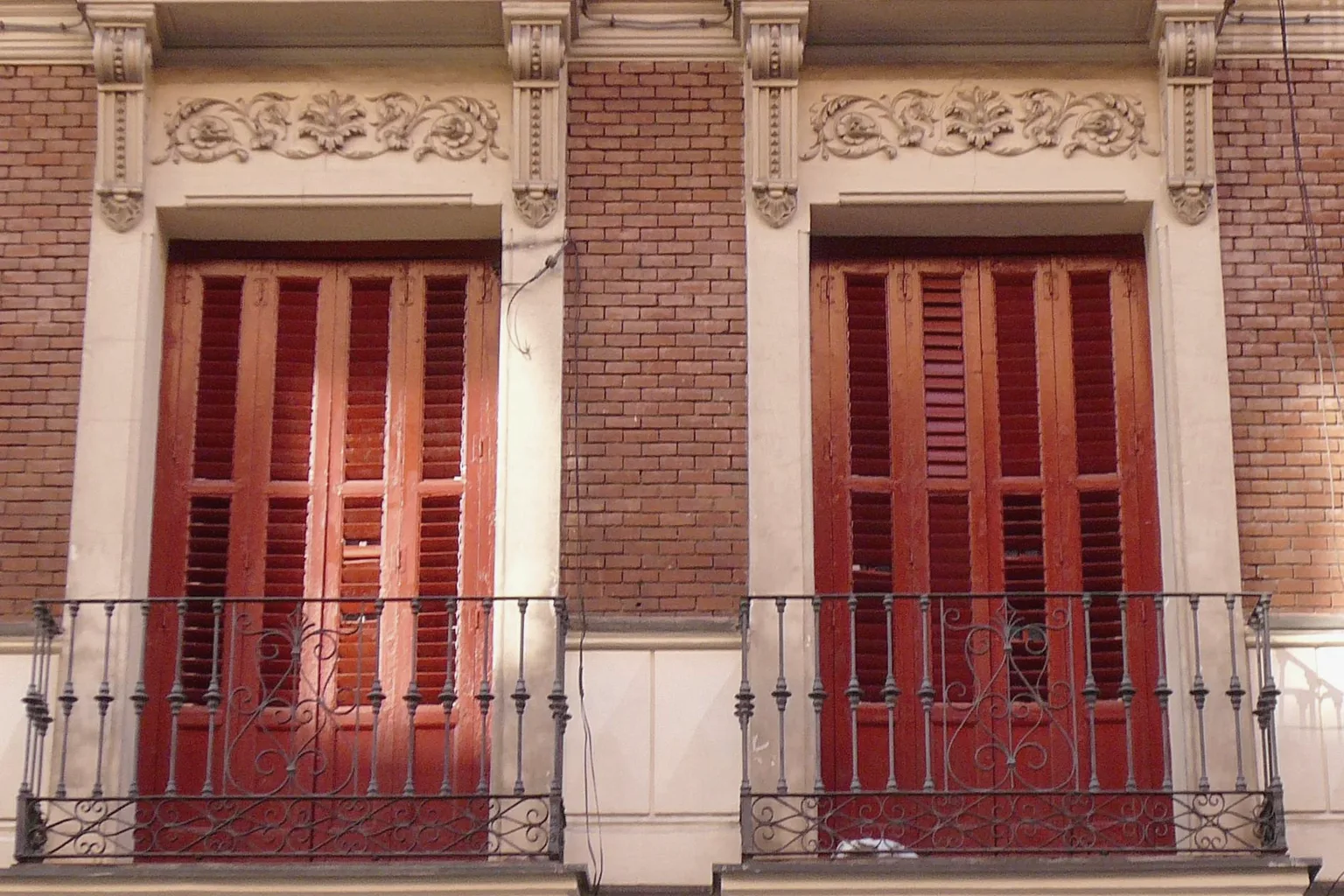
Chamberí, particularly around Almagro, appeals through its classical architecture, historic façades and neighbourhood atmosphere.
Retiro, with the Jerónimos and Ibiza areas, offers welcome proximity to green spaces, museums and the places where Madrid life happens.
The choice depends on your habits, your budget and how you intend to enjoy the property.
An apartment intended for family stays does not necessarily raise the same questions as a rental investment or a future main residence.
A beautiful property must also suit your project.
That is why a purchase deserves thought that goes beyond the address, the floor area and the quality of the finishes.
2. You have found the ideal apartment. What happens next?
Imagine a couple living in Paris who come across a €900,000 apartment in the Salamanca district.
The property is bright, set in a handsome period building and matches their expectations exactly.
The estate agency says another buyer may be interested and suggests quickly signing a contrato de arras, with payment of 10% of the price.
That is €90,000.
Many buyers know this situation well: the wish not to miss an opportunity, but also the need to make an important decision in a foreign legal environment.
In Spain, the contrato de arras is frequently a preliminary step before the final sale.
Depending on the terms agreed, signing it can bind the parties significantly.
Where arras penitenciales have been expressly agreed, a buyer who exercises the right to withdraw in principle forfeits the sums paid; a seller exercising the same right must repay double.
Other forms of arras follow different mechanisms.
The best way to approach this stage is not to give up a property you like, but to understand precisely what you are committing to sign.
A lawyer can, in particular, review the draft contract, the payment terms, the deadlines, the financing clauses and the consequences of any withdrawal.
This review allows you to approach the signing with a better understanding of your commitments.
3. Buying in Madrid: the comfort of a carefully examined legal file
When you acquire property in another country, some questions can easily slip into the background.
Is the seller really the owner?
Is the apartment encumbered by a mortgage?
Has the owners' association planned major works?
Are there restrictions on the intended use of the property?
Do the floor area and description of the property match the available documents?
These matters should not come to light only after the purchase has been completed.
Before signing, legal support may include, depending on the needs of the file:
- Reviewing the nota simple issued by the Registro de la Propiedad, to study the available information on the property, its ownership and registered charges.
- Analysing the owners' association documents, including any planned works, service charges or exceptional costs.
- Checking the contractual commitments, in particular the contrato de arras and its conditions.
- Examining the administrative and planning position, depending on the nature and use of the property.
- Coordinating with the professionals involved in the sale, notably the Spanish notary, without encroaching on the notary's prerogatives.
The aim is not to multiply formalities.
It is to have the relevant information before entering into major financial commitments.
4. The asking price is not always the final budget
Suppose you are considering buying a resale apartment in Madrid for €900,000.
Taxes and transaction costs are added to this amount.
In the Community of Madrid, the purchase of a resale home is, in principle, subject to transfer tax (Impuesto sobre Transmisiones Patrimoniales, ITP) at 6%, subject to particular situations.
In our example, this would amount to €54,000 if the taxable base were €900,000.
The cadastral reference value must also be taken into account, as it may affect the basis of calculation.
Notarial and registration fees and other costs should also be anticipated.
Different rules apply to certain new-build homes.
An investment project therefore deserves to be assessed as a whole.
The right budget is not simply the one that allows you to buy: it is the one that allows you to enjoy the property on the terms you originally envisaged.
Coordination between French and Spanish legal and tax advisers can help build this overall picture.
5. Buying to live in, pass on or let: projects that are not organised in the same way
Some buyers want to spend several weekends a month in Madrid.
Others plan to keep a family pied-à-terre for their children.
Others still wish to let the property and earn income from it.
The precautions will not be the same.
Where a purchase has a rental objective, it is essential to check that the intended activity is legally permitted.
In Madrid, the rules on tourist accommodation have been tightened under the Plan RESIDE. Operating an apartment as a tourist let cannot be presumed authorised merely because of its location or appeal.
Likewise, buying a property personally or holding it through a company may raise distinct wealth, tax and inheritance questions.
These matters should not complicate the project unnecessarily.
They simply deserve to be examined before the main decisions are made.
6. Why work with a lawyer who knows both legal systems?
Buying property in your own country already means understanding several documents and commitments.
Abroad, differences in language, contractual practice, procedure and taxation are sometimes added.
French–Spanish legal support gives you a single point of contact able to explain the stages of the purchase and analyse the documents in their legal context.
A lawyer's involvement may cover, in particular:
Before signing — Reviewing the project, analysing the available documents, identifying the questions to be clarified and checking the contrato de arras.
During the transaction — Drafting or negotiating contractual terms, legal exchanges with the other parties involved and following up on points requiring regularisation.
As completion approaches — Legal coordination of the final steps with the notary and the relevant professionals, within the limits of the agreed engagement.
The lawyer acts in the client's interest, while the Spanish notary performs a distinct role as a public official.
These roles are complementary.
When a buyer has a legal contact able to work in French and Spanish, they can follow the file with a clearer understanding of the proposed commitments and the decisions to be made.
What you are ultimately looking for is not just an apartment in Madrid. It is also the peace of mind of knowing that your project is being examined seriously.
7. Enjoying Madrid without losing sight of what matters
A property investment is both a financial decision and, very often, a personal project.
It is the prospect of returning to a familiar apartment after a flight from Paris, welcoming family and friends for a few days, discovering a new address in Salamanca or enjoying a walk in the Retiro.
This personal dimension deserves to be preserved.
Contractual and administrative checks should not take over. On the contrary, they should serve the project by helping to identify difficulties early.
Professional support does not guarantee that nothing unexpected will happen. It does, however, allow you to approach the transaction with method, more complete information and advice suited to the circumstances.
Madrid should remain a pleasure. Your purchase deserves the same care you put into choosing your apartment.

Your Madrid property project deserves particular attention
Are you considering buying an apartment in Salamanca, Chamberí, Retiro or another Madrid neighbourhood?
Whether it is a pied-à-terre, a second home or an investment, the first steps are often decisive.
Depending on the needs of the project, support may be considered for reviewing documents, securing the contractual framework and legally coordinating the purchase, in liaison with the professionals involved.
The aim: to help you move forward with clear information, an identified legal contact and close attention to your interests.
Have you found an apartment or received a contrato de arras? Let's talk before you sign.
Official references
- Consejo General del Notariado — Information on buying a home in Spain
- Spanish Civil Code — Article 1454
- Colegio de Registradores — The nota simple and land registry certification
- Comunidad de Madrid — Transfer tax (Impuesto sobre Transmisiones Patrimoniales)
- Ayuntamiento de Madrid — Plan RESIDE
General legal information article. The situations and amounts presented are illustrative. The applicable rules must be examined in light of each transaction, its timetable and its particular features.